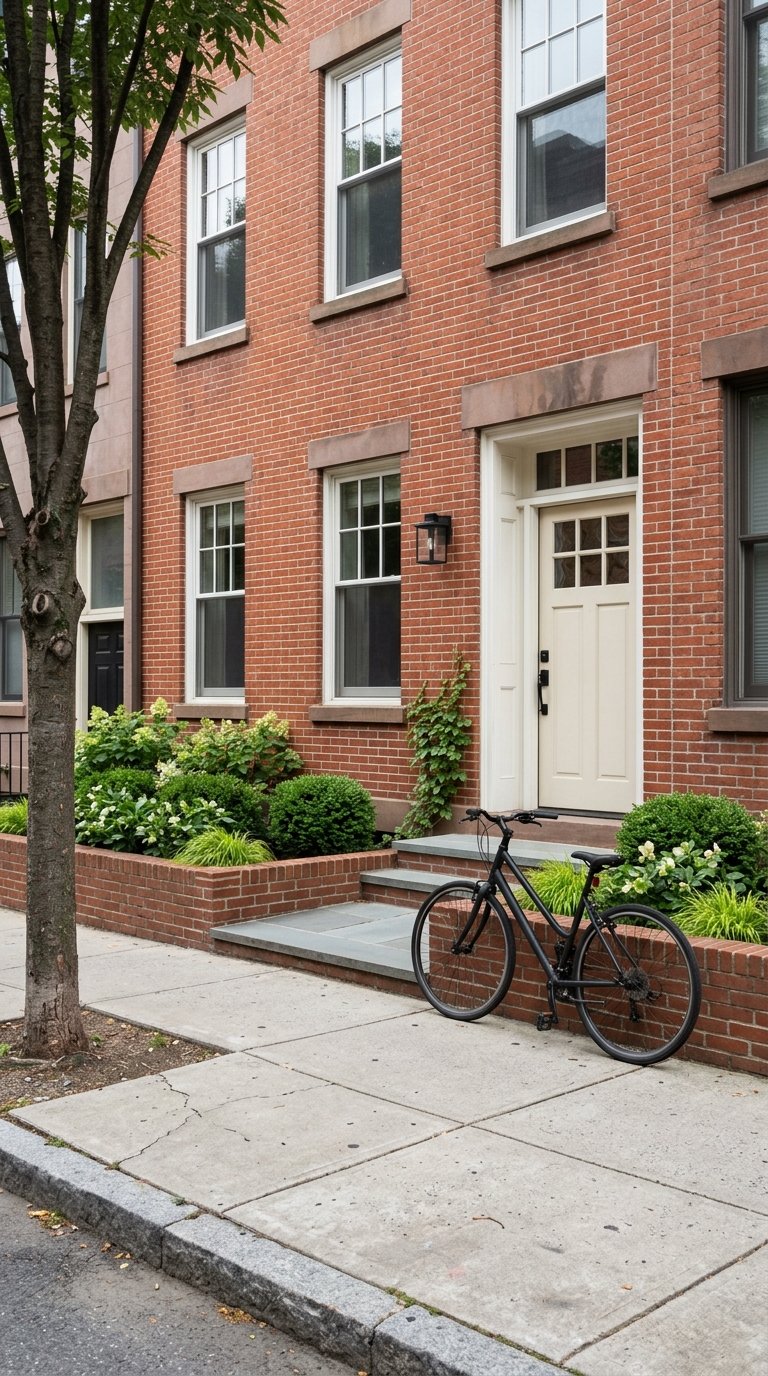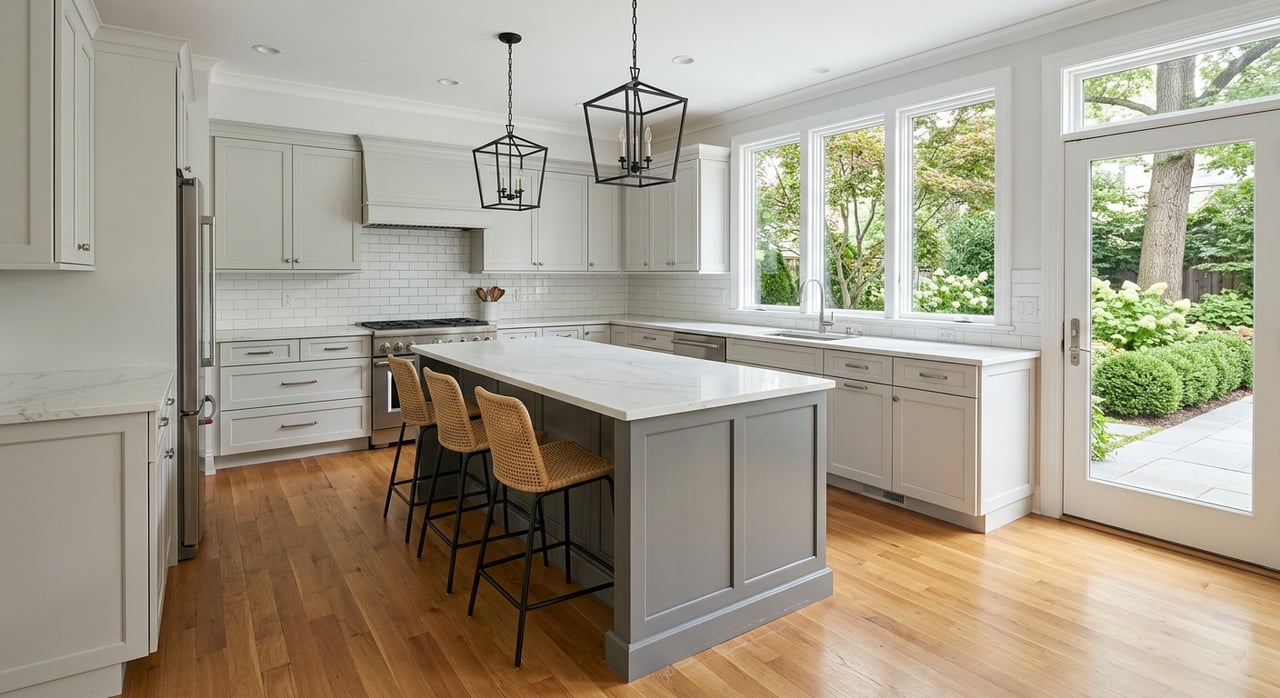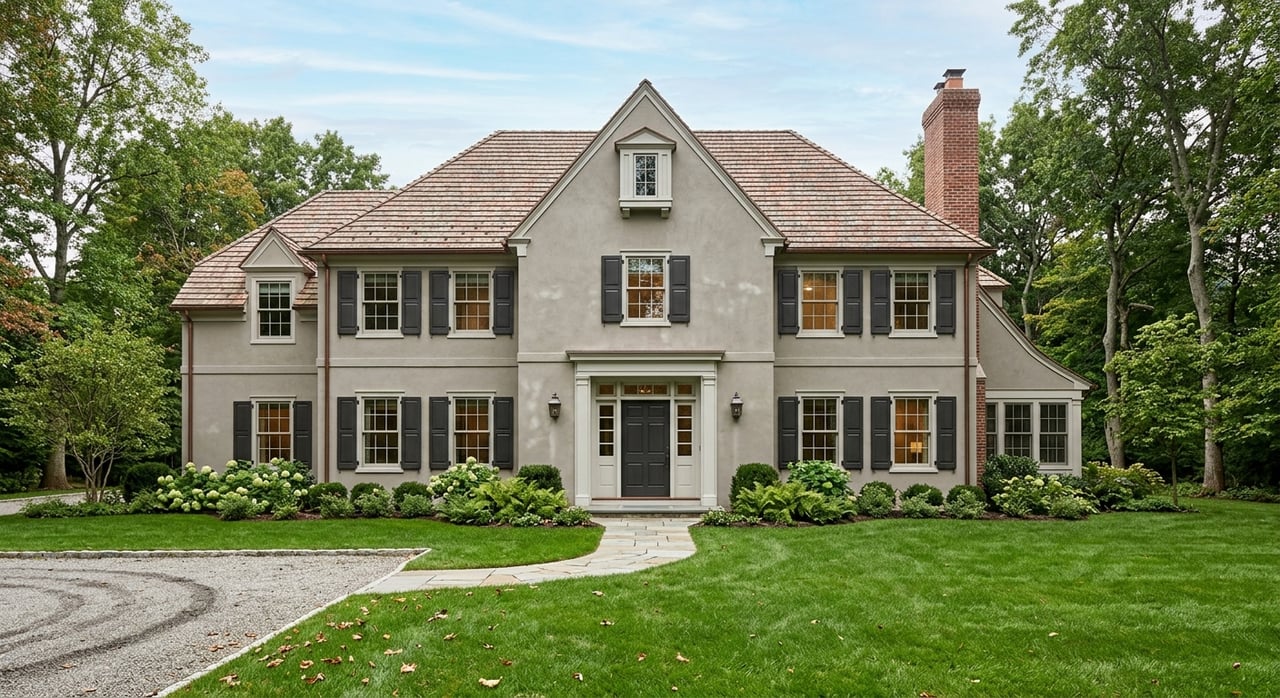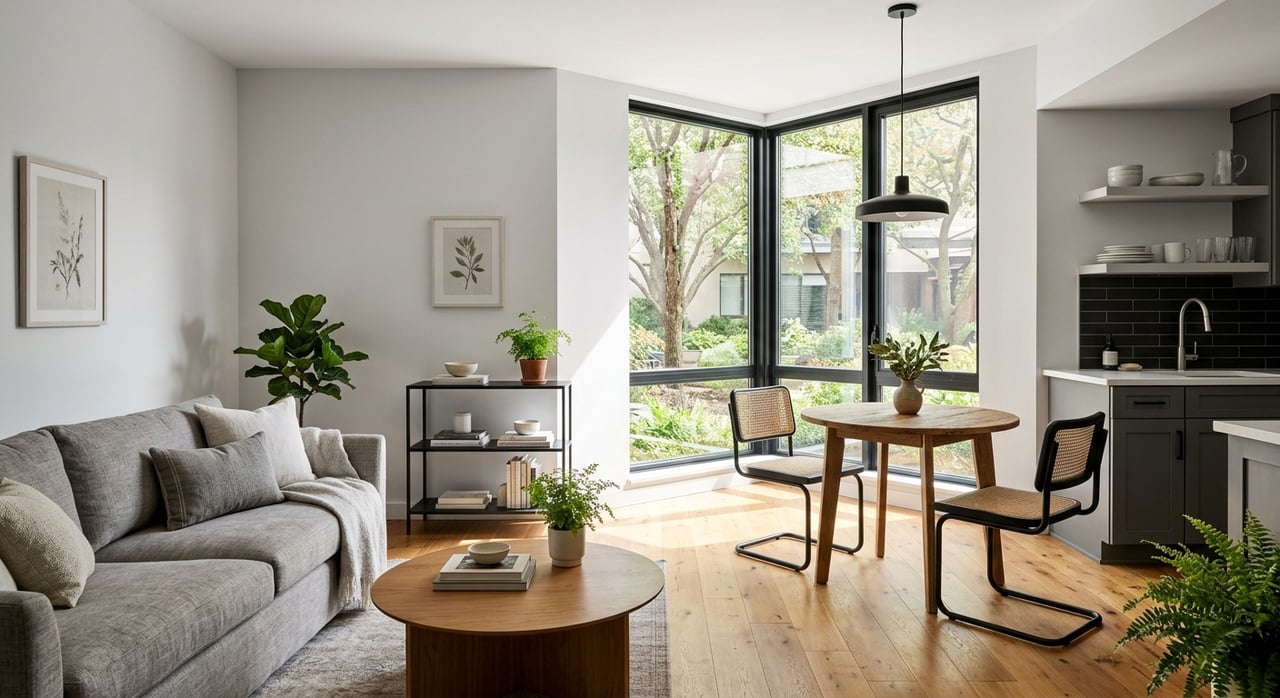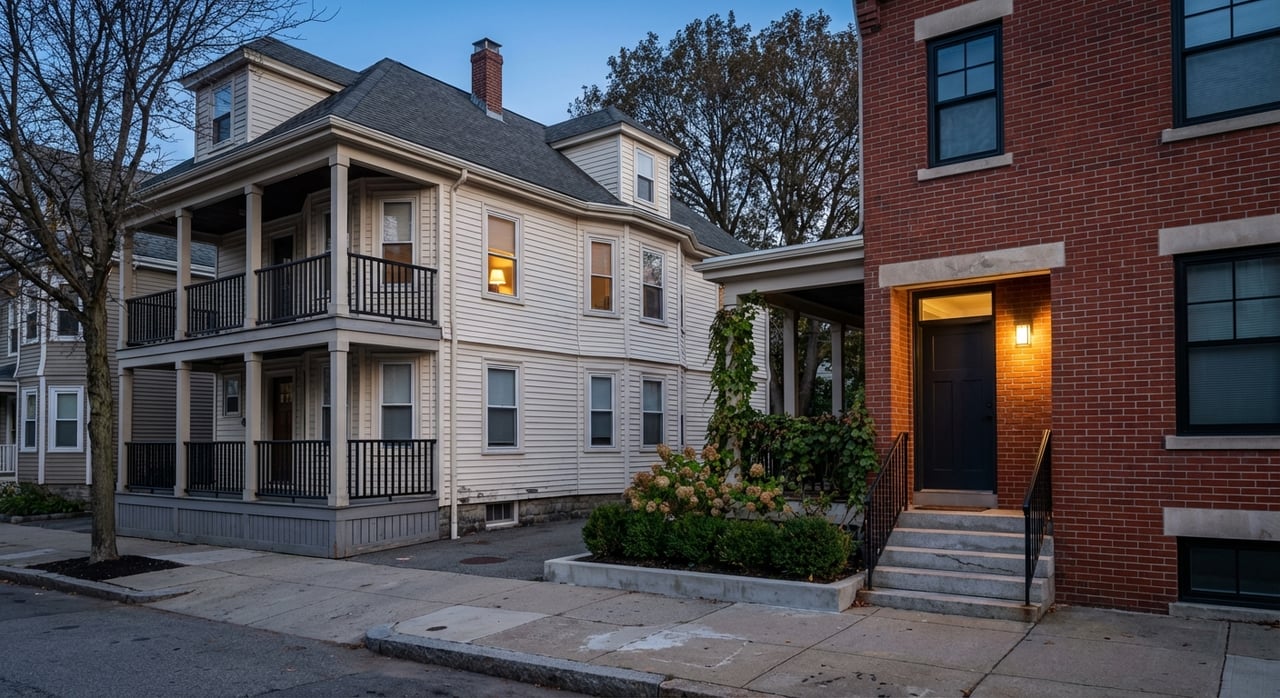
Condo or multi-family? If you are buying your first home in Somerville, that choice shapes your budget, your daily life, and your long-term returns. You want the right balance of affordability, convenience, and upside without taking on more risk than you need. In this guide, you will compare true costs, common financing paths, rental income potential, and the must-do due diligence for both options. Let’s dive in.
Somerville market snapshot
Somerville prices are high by national standards, and property type matters. At year-end 2025, the median sale price was about $892,500 for condos and about $1,375,000 for small multi-family homes. These medians come from an MLS-based local report and reflect a market that cooled slightly after the 2020 to 2022 run-up. You can review the latest figures in the Somerville market statistics. (source)
Rents are also strong. Late-2025 to early-2026 averages across all bedroom types run roughly $3,200 to $3,450 per month citywide, with higher numbers around Davis Square, Union Square, and Assembly Row and more moderate rents in parts of Winter Hill and East Somerville. Use a $3,200 to $3,500 range when modeling potential income. (source)
What that means for you:
- Condos tend to have a lower entry price, though monthly HOA dues can lift carrying costs.
- Two- and three-family homes usually cost more upfront, but rental income can offset your mortgage, taxes, insurance, and maintenance.
Condo vs multi-family: how to choose
Upfront cost and access
- Condos: Lower purchase price on average than multi-family. The median condo price sits in the high $800,000s, and many first-time buyers find this more attainable. (source)
- Multi-family: Higher purchase price on average. Median small multi-family sales land around the mid-$1.3 million mark. You may need a larger down payment or a loan program that allows rental income to help you qualify. (source)
Monthly carrying costs
- Condos: Budget for principal and interest, property taxes, insurance for the interior (HO-6), and monthly HOA dues. Local dues vary widely, from the low hundreds to over $1,500 per month depending on building age, size, and amenities. Special assessments can add unexpected costs.
- Multi-family: Budget for principal and interest, property taxes, landlord insurance, and ongoing maintenance. Rental income from other units can offset much of your monthly PITI if you buy as an owner-occupant. Vacancy and repair reserves should be built into your math.
Somerville’s FY26 residential tax rate is about $10.98 per $1,000 of assessed value. That puts annual property taxes around $9,800 for a home valued near the condo median and about $15,100 for a property close to the multi-family median. Factor these into your monthly costs. (source)
Hands-on vs hands-off
- Condos: Lower day-to-day maintenance. The association typically handles the exterior, roof, and common areas. Your work largely stays inside your front door.
- Multi-family: You control the whole building. That means you set the maintenance schedule, but you also pay for the roof, exterior, common systems, and code compliance. If you outsource management, expect about 7 to 10 percent of collected rent. Many owners also set aside 5 to 10 percent of gross rent for capital repairs. (source)
Resale and liquidity
- Condos: Resale depends on the building’s financial health and lending eligibility. Lenders often prefer “warrantable” condos with solid budgets and reserves, which can make financing and resale smoother. (source)
- Multi-family: Demand includes both owner-occupants and investors. Values often track income and cap rates. Expect close scrutiny of condition, legal unit status, and leases during appraisal and underwriting.
Financing paths for first-time buyers
Your loan choice can tilt the math toward one option.
FHA for 1 to 4 units
FHA financing allows low down payments for qualified borrowers and permits 1 to 4 unit owner-occupied purchases. Lenders can count rental income from other units toward your qualification under FHA rules. Be sure your lender reviews unit legality and the appraisal requirements early. (source)
Conventional updates for 2 to 4 units
Recent updates have expanded conventional options for owner-occupants buying 2 to 4 units, improving maximum loan-to-value ratios in some programs. Availability varies by lender, so confirm current terms and any overlays before you shop. (source)
VA for eligible buyers
If you are eligible for VA financing, you may be able to buy a 1 to 4 unit owner-occupied property with little or no down. Ask your lender about current VA guidelines for multi-unit purchases.
State and local programs
Massachusetts offers popular first-time buyer programs. MassHousing expanded down payment assistance in 2025, which can help reduce cash needed to close. (source) The Massachusetts Housing Partnership’s ONE Mortgage and ONE+ programs support two- and three-family purchases for owner-occupants with low down payments and education requirements. (source)
Condo lending caveat
Condo financing depends on the building’s status. A non-warrantable condo or a project without FHA or VA approval can limit lenders and raise borrowing costs. Ask your lender to review the condo questionnaire early. (source)
Modeling a house-hack in Somerville
Below is a simple example using the multi-family median price and conservative assumptions. Update these numbers with your lender and current rent data before making decisions.
Assumptions:
- Property: 3-family purchase at $1,375,000. (source)
- Rents: three units at the listed scenario level. City averages support a $3,200 to $3,500 per unit band in many central neighborhoods. (source)
- Vacancy allowance: 5 percent of scheduled rent.
- Property tax: about $15,100 per year using the FY26 rate. (source)
- Insurance: $6,000 per year estimate.
- Maintenance and capital reserve: 8 percent of gross scheduled rent. (source)
- Management: 7 percent of effective gross income, even if you plan to self-manage, to keep the analysis conservative. (source)
| Scenario | Rent per unit | Gross rent/yr | Vacancy (5%) | Effective income | OpEx (tax + ins + 8% capex + 7% mgmt) | Illustrative NOI |
|---|---|---|---|---|---|---|
| Conservative | $2,800 | $100,800 | $5,040 | $95,760 | ~$35,900 | ~$59,900 |
| Base | $3,000 | $108,000 | $5,400 | $102,600 | ~$36,900 | ~$65,700 |
| Optimistic | $3,400 | $122,400 | $6,120 | $116,280 | ~$39,000 | ~$77,200 |
What this shows:
- Even with healthy rents, cap rates tend to sit in the low single digits in close-in Boston suburbs. Your return is driven by location, stable demand, and long-term appreciation rather than immediate high cash flow.
- If you live in one unit, your out-of-pocket housing cost is your mortgage payment, taxes, insurance, maintenance, and management, minus income from the rented units. Your lender can help translate this NOI into a monthly budget.
Neighborhood lens: where numbers vary
- Davis Square: Transit access and a strong retail core support higher condo prices and rents.
- Union Square and Assembly area: Ongoing redevelopment and new inventory create a premium for newer condos and well-located flats.
- East Somerville: Select streets can offer lower entry prices with older housing stock. Budget for upgrades when evaluating multis here.
- Winter Hill, Magoun, Ball Square: Mixed price bands. Certain pockets can be more approachable for first-time buyers. Always use hyper-local comps.
Neighborhood differences are real, so model with street-level data before you write an offer.
Risks and key due diligence
Condo-specific checks
- Warrantability and reserves: Ask for the HOA budget, reserve study, owner-occupancy ratio, special assessment history, and any litigation. These items influence lending eligibility. (source)
- Insurance: You will carry an HO-6 policy for interior coverage. Consider loss assessment coverage if your building shares large repair costs among owners.
Multi-family-specific checks
- Legal units: Verify each dwelling unit is legally permitted. Somerville’s Inspectional Services Department can confirm permits and code compliance. (source)
- Maintenance and capital planning: Use a reserve target of 5 to 10 percent of gross rent plus a vacancy allowance to avoid surprises. If you outsource property management, add 7 to 10 percent of collected rent. (source)
- Lead paint and safety: Many older buildings predate modern codes. Plan for possible lead compliance and safety upgrades if you will rent to others.
Taxes and insurance
- Taxes: Somerville’s FY26 residential rate is about $10.98 per $1,000 of value. Plug your price into that rate to estimate the annual bill. (source)
- Insurance: Condo owners carry HO-6 policies while associations hold the master policy. Multi-family owners carry landlord policies that cover the structure, liability, and loss of rent. Premiums are typically higher than HO-6.
Short-term rental rules
If you plan to rent on a short-term basis, Massachusetts requires registration, room occupancy excise collection, and adequate liability coverage. Municipal rules can layer on top, so check local regulations before counting on STR income. (source)
Step-by-step next moves
- Get pre-approved: Choose a lender who knows condo warrantability and 2 to 4 unit underwriting. Ask about FHA, conventional multi-unit options, and VA if eligible. (source)
- Verify unit legality: If you pursue a multi-family, confirm permits and unit status through Somerville ISD before you rely on projected rents. (source)
- Review HOA health: For condos, request the budget, reserves, any special assessments, owner-occupancy share, and litigation status early. (source)
- Run a conservative pro forma: Include vacancy, taxes, insurance, 7 to 10 percent management, and 5 to 10 percent for repairs and capital needs. Test conservative, base, and optimistic rent scenarios using current neighborhood data. (source)
- Explore assistance: Review MHP ONE and ONE+ and the MassHousing down payment assistance expansion to see if you qualify. (ONE Mortgage, MassHousing DPA)
Choosing between a condo and a multi-family in Somerville is not just a price decision. It is about your day-to-day lifestyle, your comfort with maintenance, and how much hands-on management you want to take on in exchange for potential income and long-term equity. If you want a clear, numbers-first walkthrough of your options on the streets you care about, reach out to the Masterman Elek Group. We will help you compare properties, model true monthly costs, and position your offer to win.
FAQs
What is typically cheaper in Somerville, a condo or a small multi-family?
- Condos usually have lower purchase prices than two- or three-family homes, but HOA dues add to monthly costs; multis cost more upfront, yet rental income can offset PITI. Use current Somerville medians as your baseline. (source)
Can I use rental income from other units to qualify for a mortgage?
- Often yes for owner-occupied multi-unit loans. FHA and many conventional programs allow rental income in qualifying with documentation and reserves required. Confirm details with your lender. (source)
How much should I budget for maintenance and reserves on a multi-family?
- A common rule is 5 to 10 percent of gross rent for repairs and capital needs, plus a 5 to 10 percent vacancy allowance; add 7 to 10 percent if you outsource management. (source)
What is a warrantable condo and why does it matter?
- Warrantable condos meet lending standards on budget health, reserves, and owner-occupancy. They tend to finance more easily and sell to a wider buyer pool. Ask your lender to review the project early. (source)
How do I confirm that multi-family units are legal in Somerville?
- Contact Somerville’s Inspectional Services Department to verify permits and code compliance for each dwelling unit before relying on rent in your financing or valuation. (source)