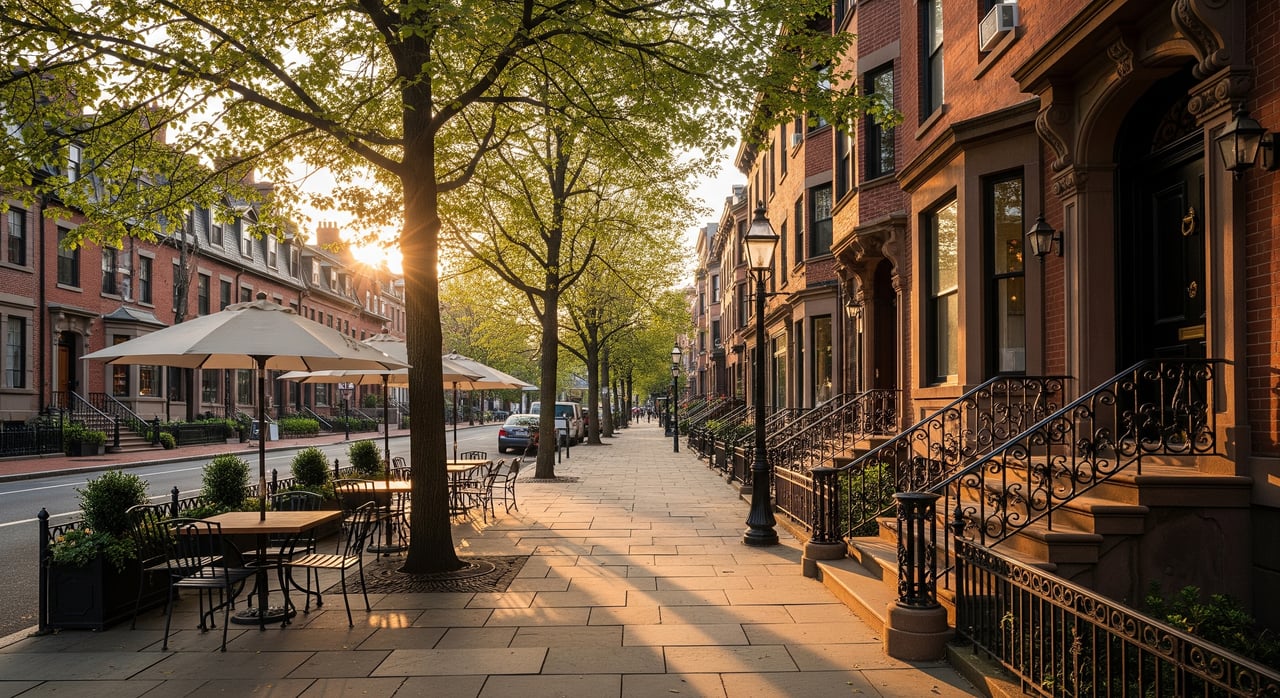
What does a weekday look like when your front door opens to coffee, errands, and the Green Line within a few blocks? If you are curious about a lifestyle where most needs are a short walk away, Brookline’s village centers make it easy. You can enjoy small-city convenience with a calmer, neighborhood feel. In this guide, you will see how everyday life plays out in Coolidge Corner, Brookline Village, and Washington Square so you can decide which one fits your routines. Let’s dive in.
Quick feel for each village
Coolidge Corner at a glance
Coolidge Corner is the busiest and most commercial village center in Brookline. You will find dense pedestrian activity, a strong retail mix, and lively evenings supported by neighborhood restaurants and cultural anchors. If you want the most options within a few blocks, this is the most active choice.
Brookline Village at a glance
Brookline Village blends historic streets, civic buildings, and a neighborly main street. It feels mixed-use and grounded, with edges that connect toward the river and older industrial sites that have evolved into residential and commercial spaces. Evenings are steady but not loud, which suits a balanced pace.
Washington Square at a glance
Washington Square offers a smaller, more residential tone. You still get local dining and shops, but the energy stays quieter at night. Many residents choose it for its calm, neighborhood rhythm while keeping quick access to transit and nearby amenities.
Walkability and daily errands
All three village centers are highly walkable compared with typical suburbs. Most day-to-day needs are within a 5 to 15 minute stroll. That includes coffee, lunch, pharmacies, dry cleaning, salons, small groceries, and banks.
- Coolidge Corner packs the most retail, services, and cultural draws into the tightest footprint.
- Brookline Village and Washington Square offer a strong base of local businesses that cover essentials without the same level of evening bustle.
- For a big weekly shop, you may take a short walk, quick transit ride, or bike trip to a larger supermarket, while some residents drive to nearby commercial corridors for big-box items.
Evening hours vary by center. Coolidge Corner stays active later with restaurants, bars, and cultural venues. Brookline Village and Washington Square wind down earlier, which suits you if you prefer quieter nights.
Transit and commute options
Brookline’s village centers are built around access. The MBTA Green Line and several bus routes connect directly to major Boston destinations. During peak hours, frequent service makes transit competitive with driving for many commuters.
Your typical routine might look like this: a short walk to a streetcar or bus stop, then a transfer-free ride to nodes such as Back Bay, Fenway, the Longwood Medical Area, or downtown. Travel times depend on time of day and destination, but many residents choose these neighborhoods so they can skip daily driving.
Biking is practical for short trips thanks to bike-friendly streets and lanes. You will often see Bluebikes stations and other shared micro-mobility options near the centers. If you do drive, expect constrained street parking in the cores. Brookline uses resident permit parking, and enforcement is common. Municipal lots and short-term spaces exist, but they can be tight during busy evenings and local events.
Parks and fresh air
Green space is never far. Parts of Brookline link to Boston’s Emerald Necklace, an Olmsted-designed network of parks and parkways that many residents use for jogging, dog walks, and weekend relaxation. Within and around each village center, you will also find small parks, playgrounds, and pocket greens with benches.
Larger nearby green spaces offer walking loops, informal sports fields, and occasional seasonal programming. It is common to see stroller walks in the morning, casual evening picnics, and community gatherings when the weather cooperates. If you like to combine city access with a regular dose of nature, the village centers make it easy.
Dining, retail, and culture
You will find a mix of long-standing neighborhood restaurants and newer concepts across all three centers. Coolidge Corner has the densest cluster, plus notable cultural anchors that draw both day and night foot traffic. Independent theaters, bookstores, and community events contribute to the local feel.
Brookline Village and Washington Square lean more low-key, with neighborhood-focused dining and small-scale events. Boutique retail and health and wellness studios are common across the centers. You will not see large national shopping centers in the core; the storefronts favor local businesses and essential services.
Prepared foods and takeout are plentiful, which is helpful if you are a renter or a small household that does not cook every night. Local bakeries and specialty shops offer staples and treats. Whether you want a quick bite, a weekday dinner spot, or a relaxed weekend brunch, you have choices within a short walk.
Homes you will find
Housing near the village cores is a mix of apartments and condos, plus a range of nearby multi-family homes.
- Mid-rise apartment buildings and small walk-up blocks are common within or just off the main streets.
- Two- to four-family homes and converted single-family houses add options on nearby blocks.
- Brownstones and brick apartment houses offer character properties, some with renovated interiors.
- Newer condominium developments and infill buildings appear around major corridors, often where redevelopment has taken place.
Inside the units, you will see a range of profiles. Rental buildings often run from studios to two-bedrooms, with a lot of older brick stock that varies in renovation level. Condominiums nearer to the centers tend to be mid-market to upscale, with some preserving historic details and others delivering modern conversions.
There are tradeoffs. Proximity to transit and amenities often comes with smaller square footage, limited in-unit storage, and sometimes no on-site parking. If convenience and walkability are top priorities, these homes can be a strong fit.
You will find a blend of residents: young professionals, renters who work in Boston, small families, and older residents. Student populations can be part of the mix depending on proximity to colleges and universities.
Practical realities to weigh
Car or no car
Many residents choose a car-free lifestyle. Transit, walking, biking, and ride-hailing make daily life manageable. Owning a car is possible, but you should factor in parking permits, potential fees, and the logistics of off-street or municipal parking.
Parking and permits
Street parking in the cores is limited. Brookline uses resident permit parking, with regular enforcement. If you need guaranteed parking, look for a building with a dedicated spot or a nearby garage option and confirm details before you commit.
Noise and evenings
Expect the most activity in Coolidge Corner, including later-night foot traffic near restaurants and bars. Brookline Village offers a moderate, neighborhood-oriented evening scene. Washington Square stays quieter and more residential at night.
Affordability and cost expectations
Brookline is a higher-cost market within Greater Boston. Homes and apartments close to transit and retail command a premium, especially recently renovated units and condos near the core. Affordability varies by building age, size, and exact location.
Accessibility
Many pre-war buildings in the cores are walk-ups without elevators. If step-free access is important, focus on newer developments and some larger apartment buildings that offer elevators and accessible layouts.
Safety and services
Brookline is generally perceived as safe, with well-established police, fire, and municipal services. Village centers are maintained and receive regular street cleaning and snow removal. As always, your comfort with specific blocks will come from your own visits at different times of day.
Which village fits your routine
The commuter renter
Your day might start with a quick coffee and a short walk to the Green Line. The ride into downtown can take roughly 25 to 40 minutes depending on your destination and the time of day. After work, you swing by the gym, meet a friend for dinner in Coolidge Corner, and plan a weekend park run or a stop at a local market.
The family with small children
Your mornings include a walk to a playground and a grocery run by bike. In the afternoon, you head to the library or a community story time. Washington Square’s quieter evenings and short hops to parks can make bedtime routines smoother, while schools are within a short bus or drive depending on your exact address.
The professional without a car
Your errands happen on foot and packages land in your building lobby. You work from a café on some afternoons and lean on takeout or small neighborhood restaurants during busy weeks. When you need a larger grocery run, you book a ride-hail or use a nearby shared bike.
How to choose among the three
Ask yourself a few practical questions to narrow the fit:
- Do you prefer lively nights with many options right downstairs, or a quieter evening scene?
- How important is immediate access to a specific transit stop for your commute?
- Will you own a car, and if so, where will it live?
- Do you want older building character, or do you need an elevator and newer systems?
- How close do you want to be to parks and playgrounds for daily use?
A short field test helps. Visit each center during the morning rush, mid-day, and after dinner. Listen for the evening sound level you find comfortable. Time your walk to transit, check the nearest small grocery, and tour a building or two that fits your budget so you can feel the tradeoffs firsthand.
How we can help
If you are mapping out a move to Brookline’s village centers, you do not need to sort it all alone. We help buyers and renters compare buildings, weigh transit and parking tradeoffs, and understand value by street and block. If you are selling, we offer pricing guidance and can coordinate pre-listing improvements through programs designed to present your home at its best.
You get calm, consultative advice tailored to your goals, backed by tools that make the process smoother. When you are ready to explore specific options in Coolidge Corner, Brookline Village, or Washington Square, connect with the Masterman Elek Group. We are here to help you find the right fit.
FAQs
Is car-free living realistic in Brookline’s village centers?
- Yes. Many residents rely on walking, the MBTA Green Line, buses, bikes, and occasional ride-hailing for daily life; car ownership is possible with added parking logistics.
How do evenings differ among Coolidge Corner, Brookline Village, and Washington Square?
- Coolidge Corner is liveliest and stays active later, Brookline Village offers a moderate neighborhood pace, and Washington Square is typically quieter at night.
What housing types are common near the village cores in Brookline?
- You will see mid-rise and walk-up apartments, two- to four-family homes, converted single-family houses, brownstones, and newer infill condominium developments.
What should I expect for parking if I live near the village centers?
- Street parking is limited and permit-based, with enforcement common; some buildings include or offer paid parking, and municipal lots provide options that can fill during peak times.
How close are parks and the Emerald Necklace to these village centers?
- Small parks and playgrounds are sprinkled throughout, and parts of Brookline connect to the Emerald Necklace for easy access to walking loops and green space.
Are schools and childcare accessible if I live in a village center?
- Brookline Public Schools are a factor for many families, and daycare and preschools exist but often have waitlists; planning early is common in these neighborhoods.