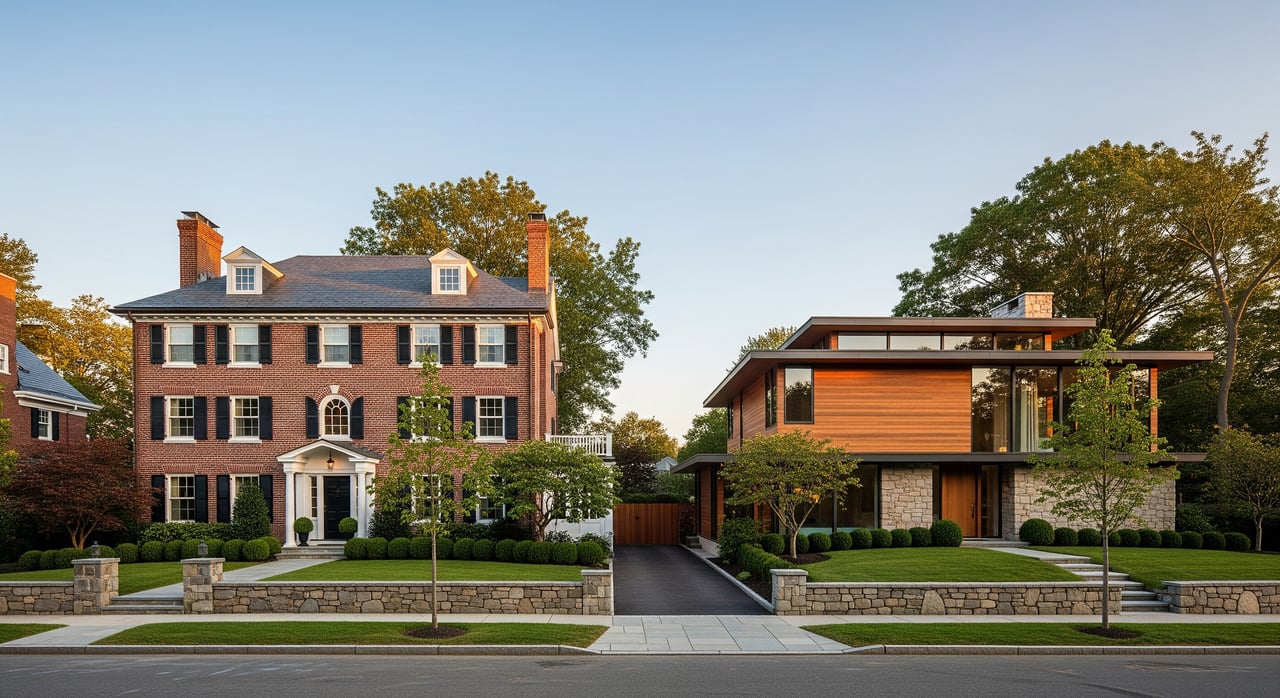
Trying to choose between a classic Colonial and a mid-century ranch or split-level in Arlington? You’re not alone. Both styles are common here, and each brings clear strengths and tradeoffs for daily living, updates, and long-term plans. In this guide, you’ll learn how layout, light, energy performance, expansion potential, permits, and typical update projects differ by style so you can buy with confidence. Let’s dive in.
Colonial vs. mid-century: the core tradeoffs
Layout and flow
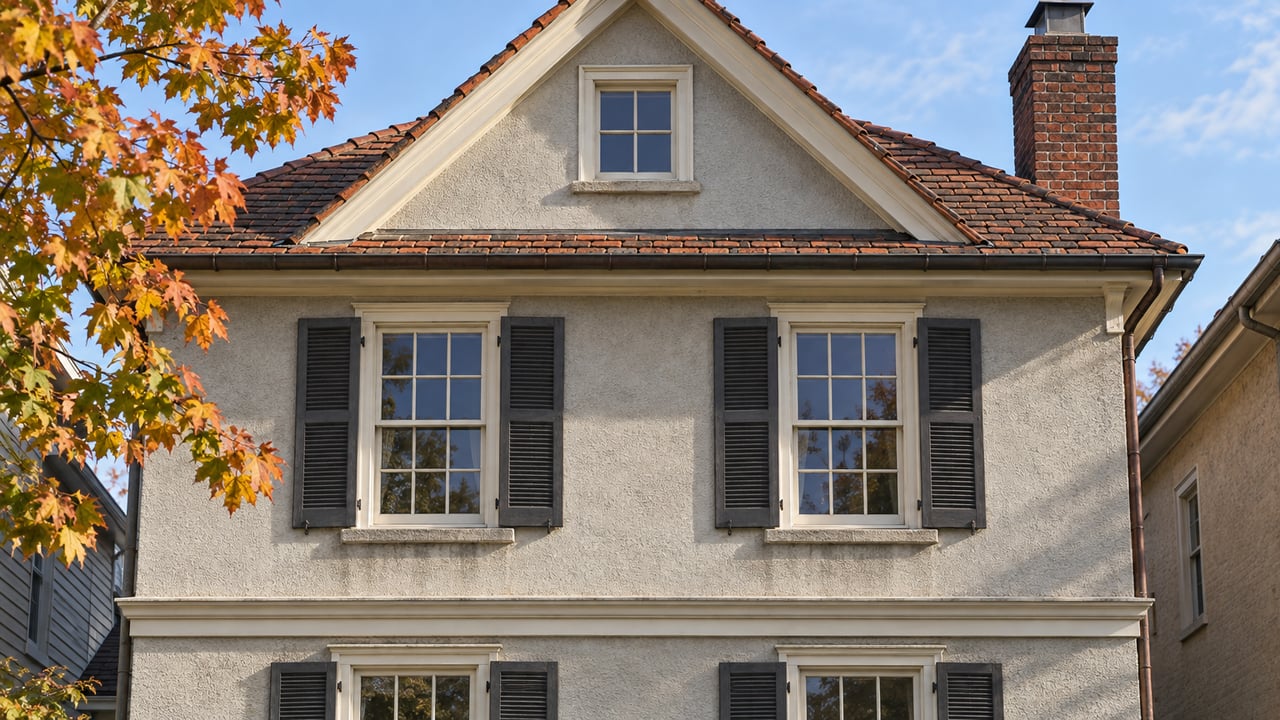
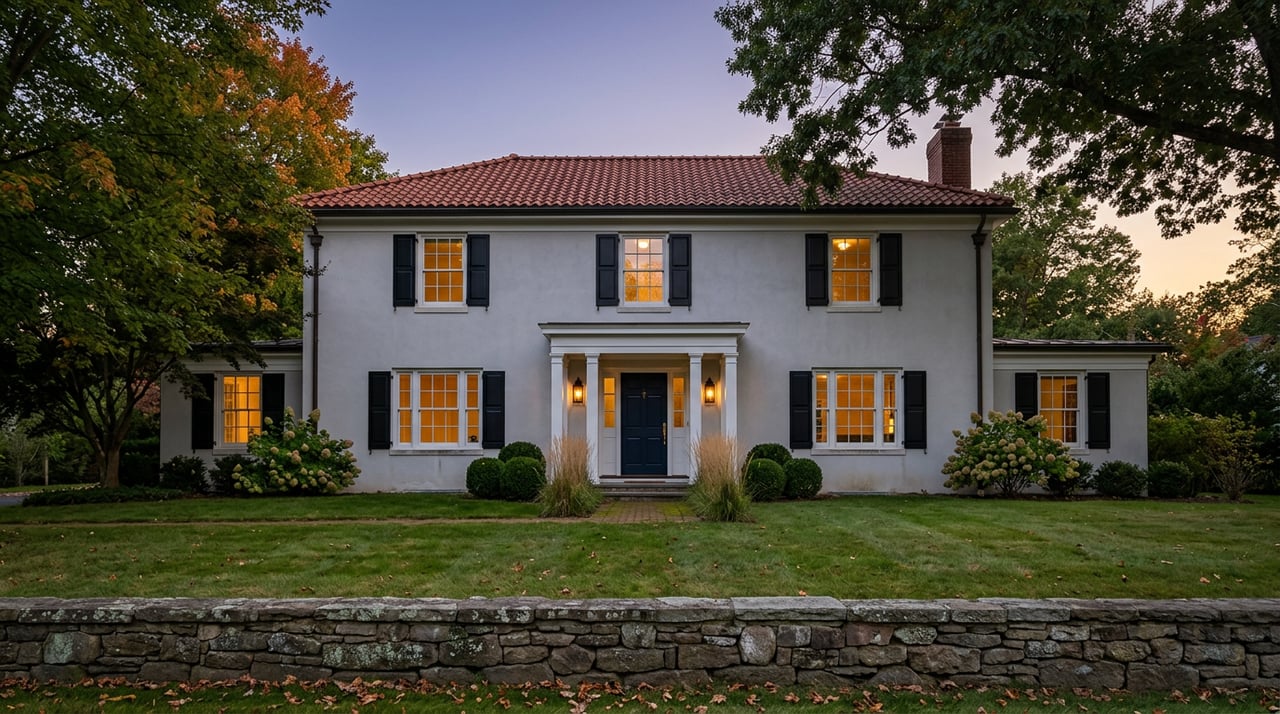
Colonials in Arlington typically offer two full stories with a central hall and clearly defined rooms. You get bedroom privacy upstairs and traditional spaces like a formal living room and dining room. The tradeoff is compartmentalization, since opening up the main floor often means removing load-bearing walls and rerouting systems.
Mid-century homes, including ranches and split-levels, lean toward semi-open layouts and easier movement between kitchen and family areas. Single-story ranches support ground-level living that can suit aging in place. Split-levels can feel open in the main living zone but often include short stair runs and smaller bedroom zones.
Daylight and windows
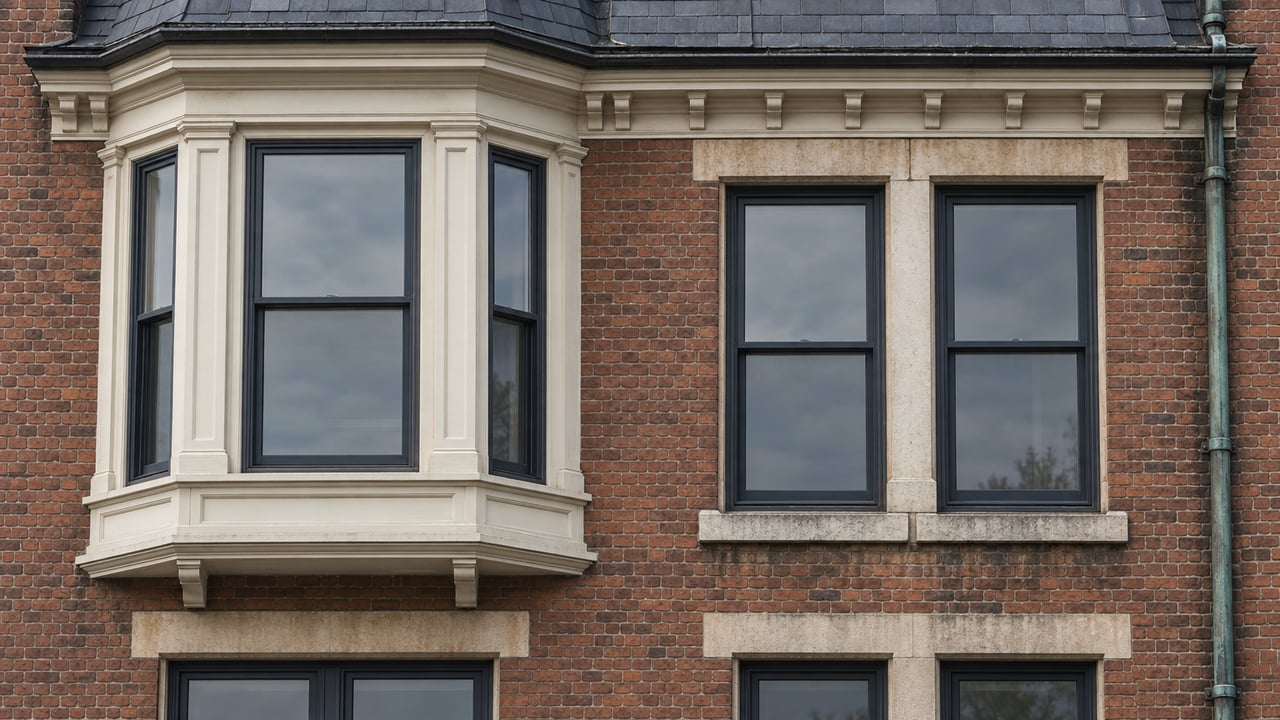
Colonials usually have symmetrical facades with regularly spaced double-hung windows. These can create attractive curb appeal but sometimes limit light in central halls and rear rooms. Upper floors may rely on smaller windows or dormers for daylight.
Mid-century homes often feature larger picture windows, sliding doors to patios, and sometimes clerestory or corner glass. That emphasis on glazing can deliver brighter main living spaces and a stronger indoor-outdoor connection. If abundant natural light and backyard access top your list, mid-century plans usually start ahead.
Systems and energy basics
Older Colonials may still have legacy items like knob-and-tube wiring, single-pane windows, steam or gravity hot-water heat, and minimal insulation. Upgrades can be invasive and are best tackled in a thoughtful sequence with an electrician, HVAC pro, and insulation contractor.
Mid-century homes often came with early forced-air or oil systems, slab or crawl foundations, and large single-pane windows. Framing is often straightforward to retrofit, though big glass areas and low-slope roofs need attention for comfort and durability. In both styles, you should expect energy and mechanical upgrades to meet modern standards.
Resale dynamics in Arlington
Colonial curb appeal and period detail can command an emotional premium for buyers who love traditional character. At the same time, demand for light, open plan living is strong. In Arlington, factors like proximity to transit, the local school district, and neighborhood character often outweigh architecture alone, so functionality and location typically drive value more than style.
How homes sit on Arlington lots
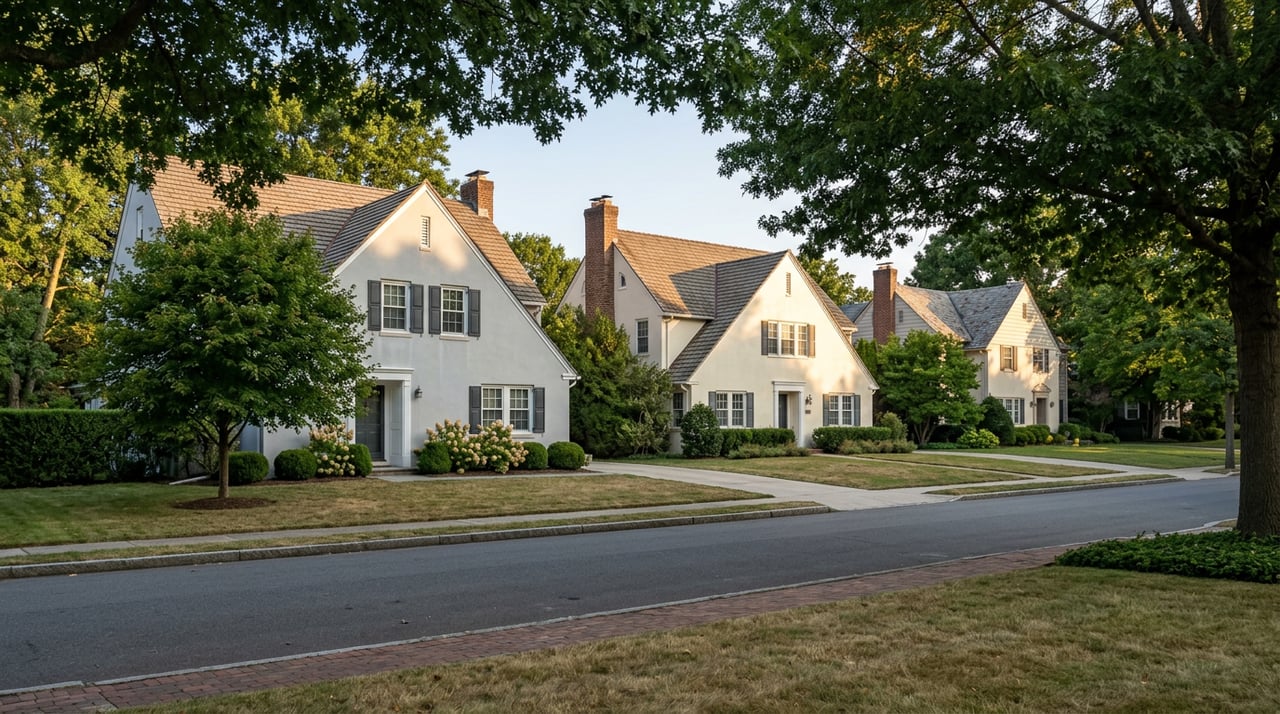
Arlington’s older neighborhoods often have modest lot widths and shallow front setbacks. That means any front-facade changes are more visible and can be influenced by neighborhood norms or historic district considerations. Side and rear yards vary by area, with smaller lots near Arlington Center and the Route 2 and Alewife corridor.
Walkability and transit access are major draws here, with MBTA bus connections and quick Red Line access via Alewife. If daylight is a priority, look closely at lot orientation. South-facing rear yards and living spaces often capture warmer, brighter light through more of the day.
Historic districts and individual landmark designations exist in parts of Arlington. If you’re considering exterior changes, factor in potential design review and longer timelines. Interior updates are usually more flexible, but always confirm what permits are needed before you begin.
Expansion potential and permitting in Arlington
Colonial expansion patterns
Common additions include a rear kitchen and family room, attic dormers for more headroom and light, and finished basements. For 1.5-story Capes, a full or partial second-story addition is possible with the right structural plan. Two-story framing means careful tie-ins to existing rooflines and floors, and many owners aim to preserve facade symmetry.
Mid-century expansion patterns
Ranches are well suited to lateral one-story additions, reworking the main level, or even adding a second story. Split-levels can be reconfigured to improve flow between levels or expand bedrooms and baths. Adding a level to a ranch is technically feasible, though it is a major project that needs strong engineering and budget discipline.
Zoning and permit realities
Before planning, confirm Arlington zoning details like setbacks, lot coverage, floor-area ratio, allowed height, and parking requirements. If your home sits in a historic district or conservation overlay, street-facing changes may need design review. Expect a sequence of plan design, zoning review for any special permits or variances, building permit, and inspections. Timelines can range from several weeks to months depending on scope and complexity.
Smaller lateral additions or interior reconfigurations that stay within the existing envelope generally move faster. If you are considering a front-facade change, start early with town resources to understand what will be required.
Site constraints to watch
On tight Arlington lots, side setbacks and lot coverage often limit the size and shape of additions. Mature trees, ledge, and slope can impact foundation design and drainage. Stormwater management also matters on infill lots, so grading and gutters should be part of the plan from day one.
Common updates and what to budget first
Safety and compliance come first
Prioritize electrical updates, including removal of knob-and-tube and panel upgrades. If you see evidence of lead paint in pre-1978 homes or suspect asbestos in older mechanical components, plan for testing and safe remediation. Replace aging oil tanks and confirm whether the property uses municipal sewer.
Tighten the envelope
Address insulation and air sealing to improve comfort and efficiency. Attic insulation and targeted wall work can make a big difference. Replacing single-pane windows, adding high-quality storms, and repairing or replacing roofs are common steps, especially on mid-century homes with low-slope sections.
Update HVAC and hot water
Many buyers replace end-of-life boilers or furnaces and add high-efficiency heat pumps or mini-splits. Zoned mini-splits can be especially useful when opening space on the main level or adding bedrooms in a dormered attic. Pair system planning with envelope improvements so you right-size the equipment.
Manage moisture and foundations
Check for damp basements, slab cracks, and grading that directs water toward the house. Simple fixes like gutters and downspout extensions can help, but some homes need more robust drainage and vapor barrier solutions. Address moisture before putting money into finishes.
Kitchens and baths for livability
Kitchens and bathrooms are frequent modernization projects in both styles. In Colonials, opening the kitchen to a family room often means engineered beams and patching floors where walls and chimneys come out. In mid-century homes, window upgrades and roof work often pair well with kitchen and bath updates to create a cohesive, light-filled result.
Project timelines and who you need
Small interior projects like a bathroom refresh or simple kitchen update can take weeks to a few months. Structural reconfiguration, dormers, or additions often run several months to over a year when you include design, permitting, and construction. Plan your team early.
Key professionals typically include a general contractor, an architect for structural changes or additions, and a structural engineer for any load-bearing wall removals or second stories. If the home sits in a historic district, a preservation consultant can help align plans with guidelines. A home inspector who understands older New England housing will help you prioritize.
A fast buyer checklist for showings and offers
- Foundation and drainage: cracks, water stains, grading, sump pumps.
- Roof and gutters: roof age, flashing, attic staining that suggests leaks.
- Windows and doors: single vs. double-pane, sill and frame condition, operation.
- Electrical: knob-and-tube, fuse panels, undersized service, grounded outlets.
- Heating and cooling: system age and type, central AC presence, mini-split opportunities.
- Insulation and air sealing: attic depth, wall insulation clues, drafty surfaces.
- Asbestos and lead: testing plan for suspect materials in older homes.
- Oil tanks: buried or above-ground status and condition.
- Sewer connection: confirm municipal sewer for the address.
- Permits: verify permits and inspections for prior renovations.
Which style fits your life
Choose a Colonial if you want formal rooms, classic curb appeal, and bedroom separation on the second floor. Plan for structural work if you want an open kitchen and family room. Dormers or a rear addition can push the layout toward modern living without losing character.
Choose a mid-century ranch or split-level if you prioritize light, easy circulation, and a stronger indoor-outdoor connection. Single-level living is a natural fit for aging in place. Expect to invest in window and roof improvements, and consider how you will manage comfort with larger glazed areas.
In Arlington, location and lot often decide the winner. If the right street, commute access, and yard line up, either style can work with the right plan.
How we help you compare homes
You deserve clear, calm guidance as you weigh charm against light, and character against convenience. We help you understand layout potential, estimate the impact of mechanical and envelope upgrades, and map a realistic permitting path for Arlington. We also connect you with local architects, engineers, inspectors, and contractors so your plan is both creative and buildable.
If you are preparing to list while you shop, we can advise on targeted pre-list improvements that maximize your timeline and budget. When you are ready to buy, we align search criteria with your must-haves, flag renovation risks early, and negotiate from a position of knowledge.
Ready to compare an Arlington Colonial and a mid-century ranch on your short list? Schedule a consultation with the Masterman Elek Group.
FAQs
In Arlington, which style is easier to open up to an airy main level?
- Mid-century single-story plans generally require less structural work for open sightlines, while Colonials often need engineered supports when removing central walls.
Which home style better supports aging in place in Arlington?
- A ranch or other mid-century single-level plan offers easier ground-level living, while a Colonial can be adapted with more work, such as main-floor bedroom conversions.
Do Colonial homes hold value better than mid-century homes in Arlington?
- Character matters, but local factors like transit access, neighborhood setting, and functional updates often outweigh style alone for resale.
Are there historic restrictions that affect renovations in Arlington?
- Some properties sit in historic districts or are designated resources, and exterior changes in those areas may require review, so confirm guidelines before planning visible work.
Can I add an accessory dwelling unit on an Arlington lot?
- ADU feasibility depends on Arlington zoning, lot size, and parking rules, so verify requirements with town resources before you rely on plans or budgets.