Thinking about trading your Cambridge or Somerville apartment for a little more space without losing city access? Watertown might be your sweet spot. You get a compact, neighborly feel with strong bus links, riverfront paths, and an easy hop to Harvard Square. In this guide, you’ll learn how Watertown lives day to day, where people tend to settle, what homes cost, and how commuting really works. Let’s dive in.
Watertown at a glance
Watertown is a small city with about 35 to 36 thousand residents spread across roughly 4.0 to 4.2 square miles, so it feels close-knit and convenient. About half of households rent and half own, median household income sits around $126,000, and the average commute time is about 28 minutes, according to a recent U.S. Census QuickFacts snapshot. You will find a wide range of housing styles for a city this size, from older triple-deckers and historic single-family homes to newer condos and rental buildings. The mix of riverfront greenways, a refreshed retail core, and steady bus service to Cambridge shapes most daily routines. See the Census QuickFacts overview for baseline statistics.
Neighborhoods and feel
Watertown Square
This is the civic and transit hub. You can run errands, meet friends for coffee, and catch buses in one compact area. Saltonstall Park hosts a weekly farmers market and summer concerts, which give the Square a true town-center rhythm.
Arsenal Yards and East Watertown
Arsenal Yards has transformed East Watertown into an urban village with a grocery, restaurants, cinema, hotel, and apartments, with lab and office buildings nearby. It functions as a go-to spot for dinner and errands during the week. You can keep an eye on new openings and events on the Arsenal Yards site.
Mount Auburn corridor to Cambridge
Mount Auburn Street is the main link toward Harvard Square. It is busy and practical, with frequent buses and improving bus-priority features that make trips more reliable. The town’s plans also include community path connections along this corridor. Explore current projects on the Transportation Planning page.
West Watertown residential pockets
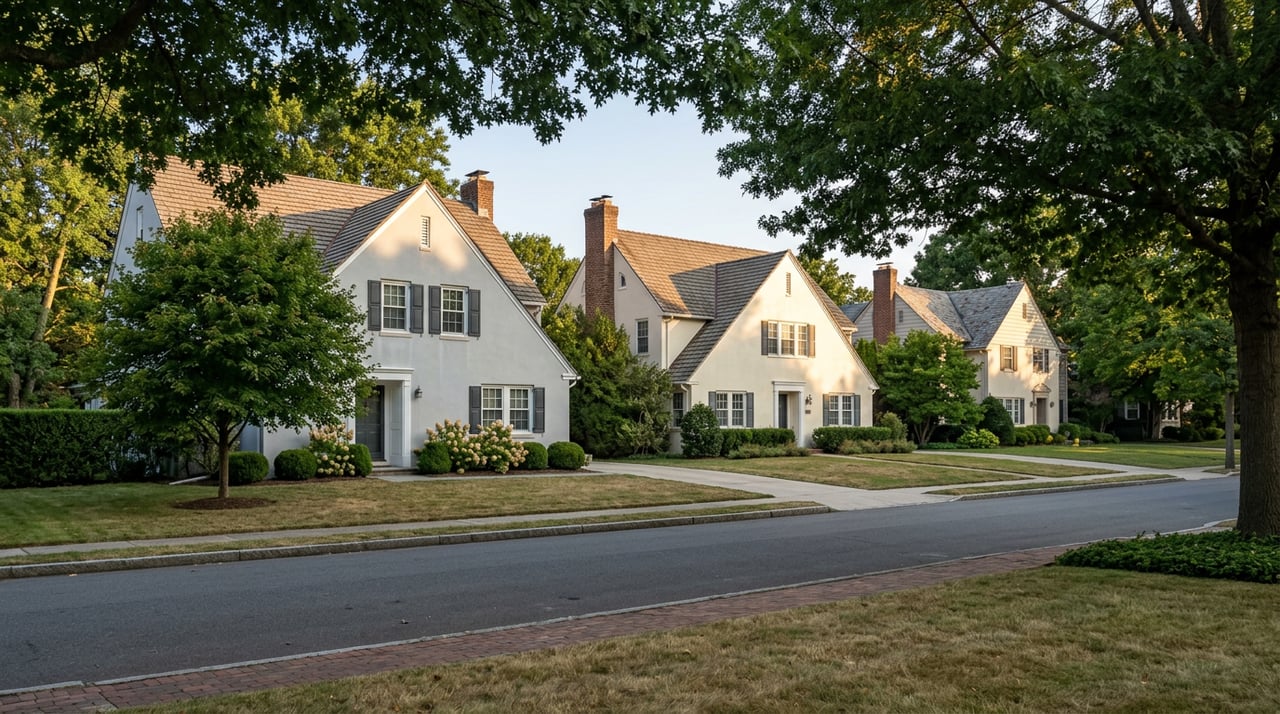
These quieter blocks feature a mix of single-family homes, multi-family triple-deckers, and renovated houses. You will notice neighborhood parks, fields, and school facilities that anchor community life. Streets are calmer here, and many residents appreciate the balance between access and breathing room.
Charles River and greenways
The Charles River runs along Watertown’s southern edge, with multi-use paths that make it easy to bike, jog, or stroll. Many residents weave the river into their daily routines, whether for a morning ride or an evening walk. The riverfront is a lifestyle perk compared with some denser nearby neighborhoods.
Daily life and things to do
Dining and markets
Watertown is known for Armenian and Middle Eastern food, from bakeries to delis and sit-down spots. You can pair those classics with broader options at Arsenal Yards, including casual restaurants and a full-service grocery. The result is a practical food scene with real local character.
Arts and community events
For arts and culture, the Mosesian Center at the Arsenal site and the Armenian Museum of America provide regular programming. The town’s Faire on the Square, weekly farmers market, and summer concerts are reliable calendar staples. For a quick overview of local attractions, browse this roundup of things to do in Watertown.
Parks and outdoor time
The Charles River greenway is the headliner, but neighborhood parks and fields make it easy to get outside. Arsenal Park improvements have been highlighted in town updates, which points to continued investment in outdoor spaces. You can check the latest project news on the town’s News and Announcements page.
Housing types and prices
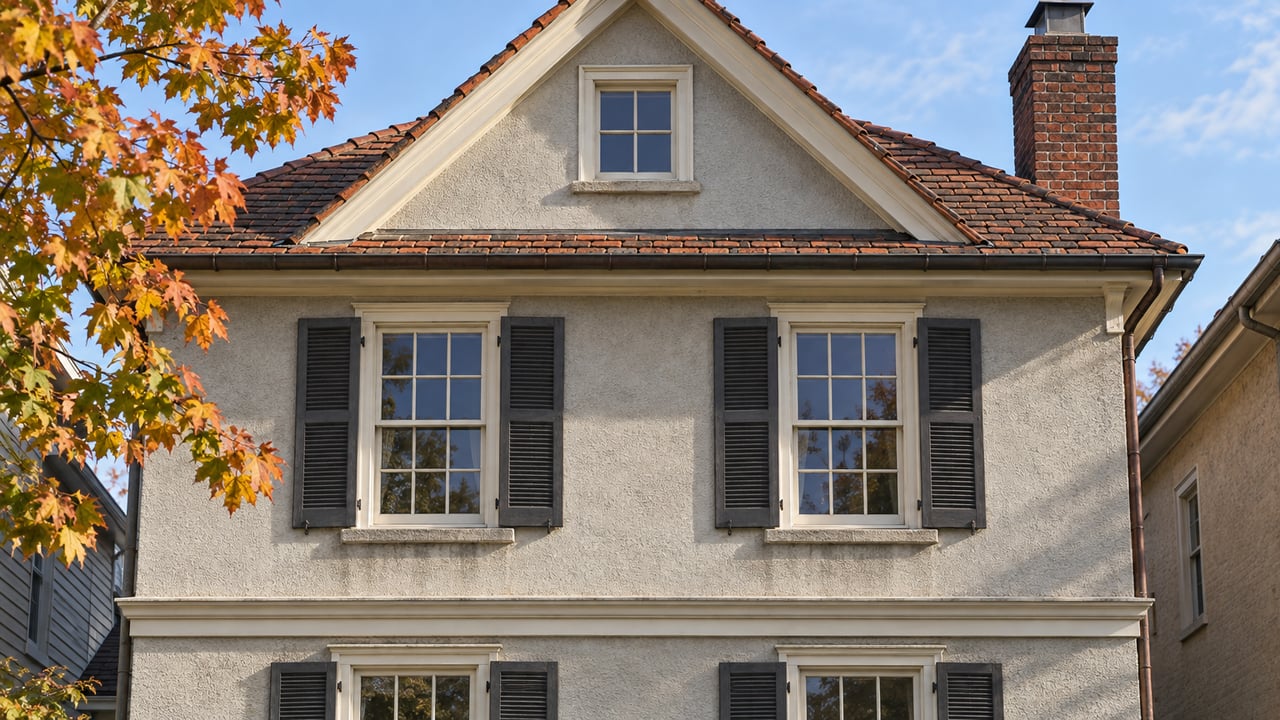
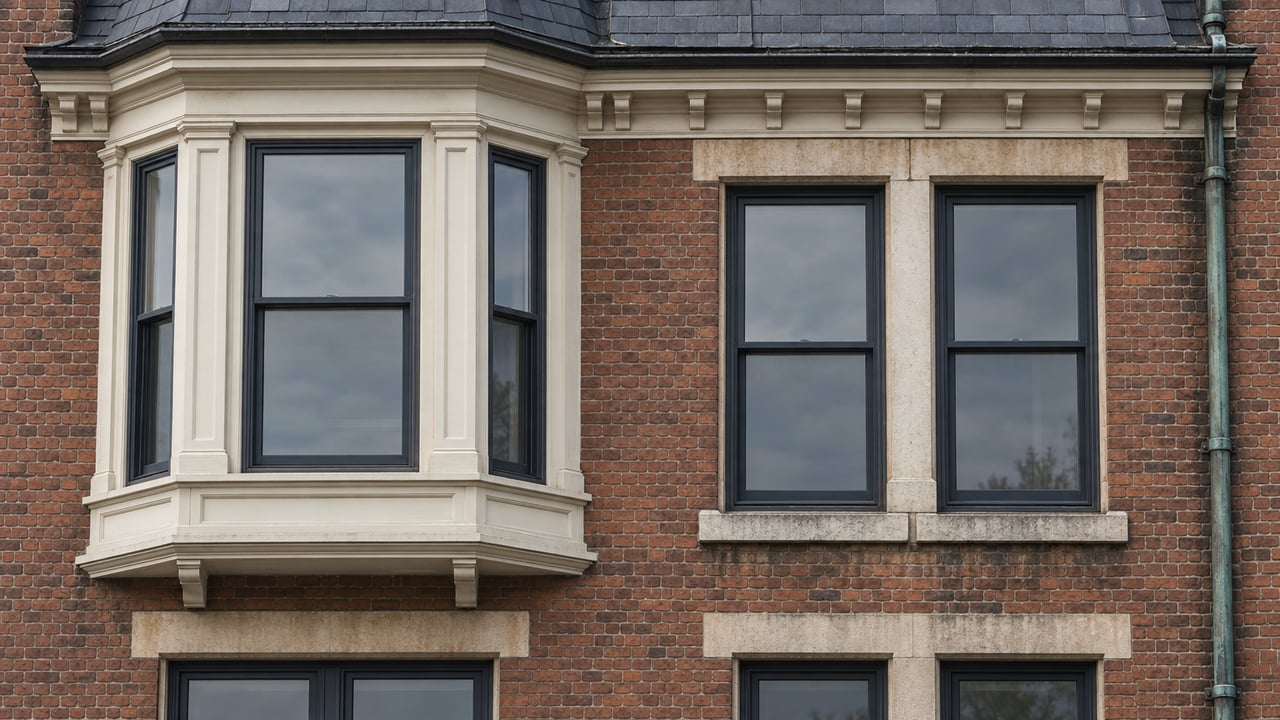
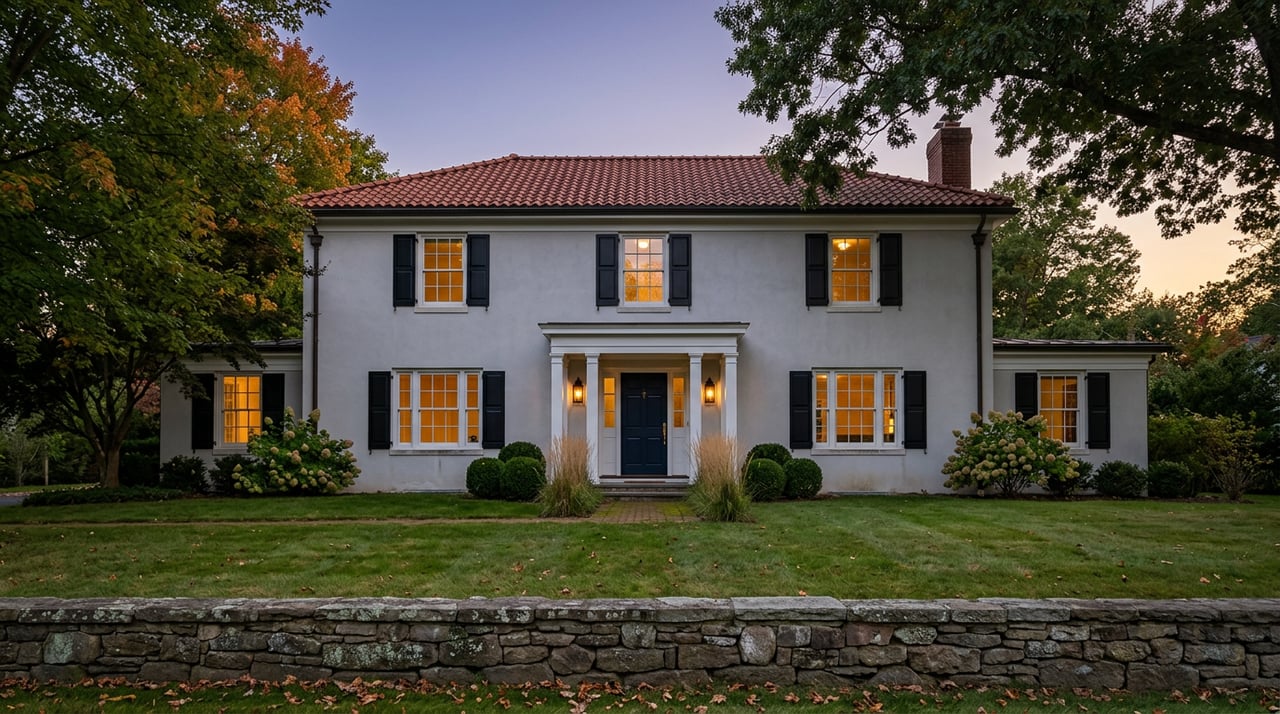
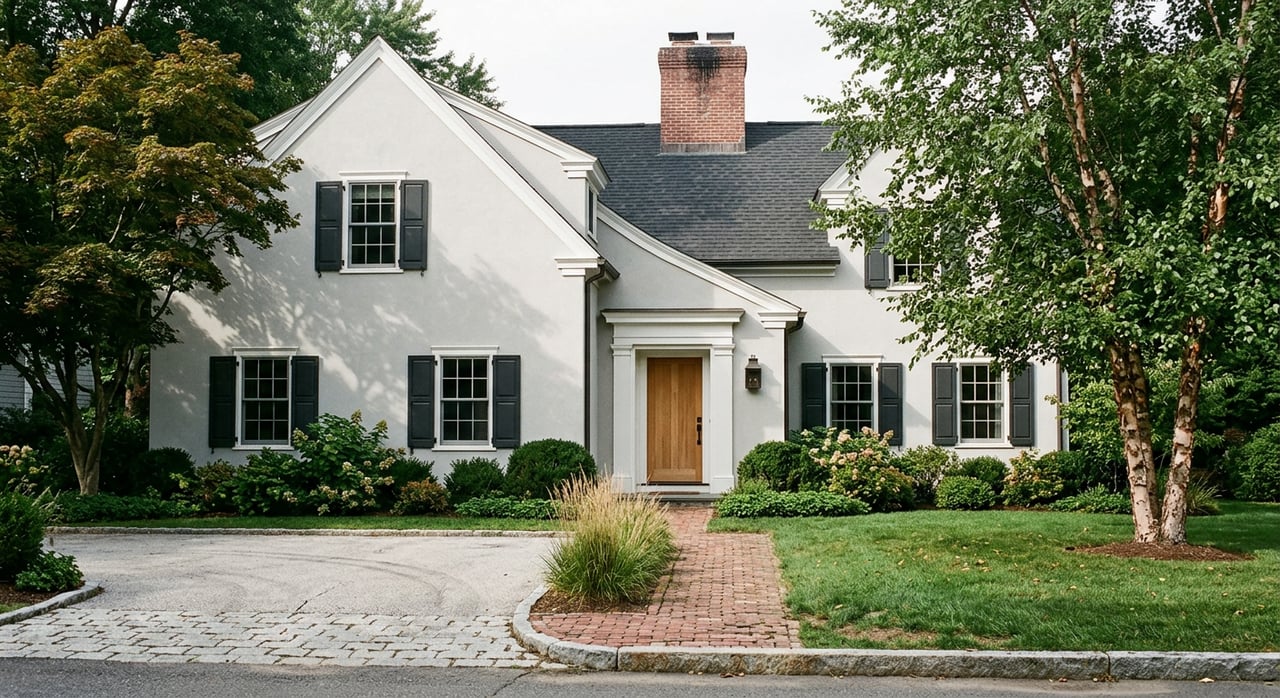
You will find three main housing types in Watertown. Older multi-family homes such as two- to four-families and triple-deckers are common and can appeal to owner-occupants or investors. Historic single-family homes, including Victorians and Colonials, appear across West and North Watertown. Newer condos and purpose-built rental buildings cluster near major corridors and around Arsenal Yards.
For pricing, think in ranges rather than one fixed number. Condos and townhomes often run roughly $500,000 to $1 million, depending on size, condition, and location. Single-family homes commonly span from the upper $600,000s to $1 million plus, with renovated or larger properties above that. Newer or luxury options can exceed $1.5 to $2 million.
For a current snapshot, the Massachusetts Association of Realtors shows town-level medians that vary month to month due to small sample sizes in a compact market. The latest report places single-family year-to-date medians near $1,000,000 with condo figures lower, but it also cautions that small monthly samples can swing results. Always confirm the latest MLS or association data when you are ready to act. Review the MAR local market snapshot for context.
For longer-term context, ACS data places the median value of owner-occupied housing near $785,000 and the median gross rent around $2,500, which aligns with Watertown’s close-in location and strong demand. You can see the latest ACS five-year estimates in the Census QuickFacts table.
Commute and getting around
Buses do the heavy lifting in Watertown. Routes that feed Harvard and Central Square along the 70, 71, and 73 corridors make Cambridge commutes straightforward. Watertown Square also offers express buses into Boston’s Back Bay and Financial District at select times. For a practical overview of bus links and local shuttles, start with the town’s Public Transit page.
On the roads, recent and planned bus-priority improvements on Mount Auburn aim to help reliability. If you prefer to bike, Bluebikes stations and the Charles River paths make short trips realistic, including links toward Cambridge and Fresh Pond. You can track active connections and planning work on the town’s Transportation Planning page.
The census places the mean commute around 27 to 28 minutes, which reflects a mix of car trips, bus-to-Red Line connections, and some bike commutes. Your door-to-door time will depend on your destination and the time of day.
Schools and services
Watertown Public Schools operate three elementary schools, one middle school, and one high school serving students across the city. Families often watch district updates for enrollment and building project timelines. For current information, visit the Watertown Public Schools homepage.
On the municipal side, Watertown continues to invest in complete streets, bus-priority corridors, and community-path links. That planning work supports a more connected daily experience over time, which benefits walkers, cyclists, and bus riders.
Is Watertown a fit for you?
Watertown tends to work well if you want quick access to Cambridge without living in the thick of it. It also fits if you like a compact, town-center feel with reliable bus options and a growing retail core. If your weekend routine includes a run or ride along the river, you will feel at home here.
Consider Watertown if you:
- Commute to Harvard, Central, or Kendall and value short bus or bike trips.
- Want newer rental or condo options near restaurants and retail at Arsenal Yards.
- Prefer quieter residential blocks with parks and school fields close by.
Tradeoffs to expect
- Pricing remains high compared with many outer suburbs, though some home types can be more attainable than the priciest pockets of Cambridge or Brookline. Well-priced single-family and multi-family homes draw strong interest.
- Transit is bus-centric. There is no MBTA subway stop inside Watertown, so most riders connect by bus to the Red Line or take express buses to Boston. Service levels and reliability matter, so check current schedules when planning your routine.
How to choose your spot
- Define your commute first. If you are heading to Harvard or Central, focus on the Mount Auburn and Arsenal corridors for fast bus access.
- Prioritize your lifestyle. For walkable errands and events, look near Watertown Square or Arsenal Yards. For quieter blocks and more traditional housing, explore West Watertown.
- Match housing type to goals. Multi-families can offer flexibility and potential rental income. Single-family homes deliver yard space and privacy. Newer condos reduce maintenance and keep you close to amenities.
- Set a price range with room to move. Use ranges and allow for competition, then confirm the latest numbers with your agent using current MLS or association data.
If you are weighing a move, a local plan helps you act confidently. Whether you are comparing neighborhoods, fine-tuning a budget, or preparing to list and buy, you can get practical guidance and a clear process. Schedule a consultation to discuss your home with the Masterman Elek Group.
FAQs
Is Watertown, MA more affordable than Cambridge or Somerville?
- Often somewhat, depending on property type and location. Compare like-for-like homes and confirm current MLS or association data since small-sample monthly medians can swing. The MAR snapshot offers helpful context.
How long is the commute from Watertown to Cambridge or Boston?
- The census puts the mean commute around 28 minutes, with many trips falling between 20 and 40 minutes based on mode and destination. Buses connect to Harvard and Central, and express options serve Boston.
Is Watertown walkable for daily errands?
- Parts of Watertown are very walkable, especially Watertown Square and Arsenal Yards. Many residential blocks are quieter, so prioritize proximity to these hubs if walkability is your top goal.
Where are the newest rentals and life-science jobs in Watertown?
- East Watertown around Arsenal Yards and adjacent lab and office projects, such as 100 Forge and LINX, host newer rentals and growing life-science employment. Check the Arsenal Yards site for updates on openings and amenities.