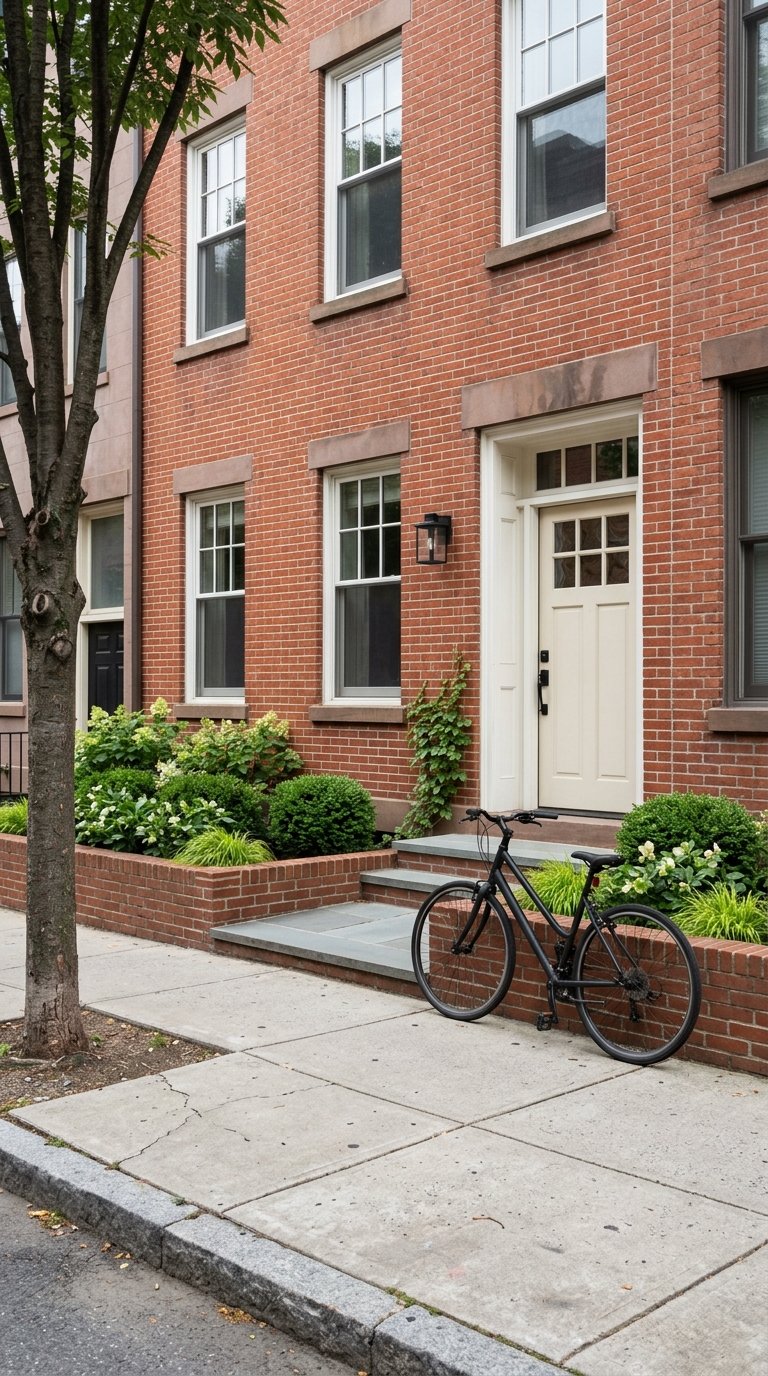
Wondering if you can really live in Cambridge without relying on a car? In many parts of the city, the answer is yes. If you want a home that makes commuting, errands, and weekend plans easier, Cambridge offers a rare mix of transit access, walkability, and housing choice. Let’s look at where car-free living works best, what kinds of homes you’ll find near transit, and what tradeoffs to expect.
Why Cambridge Supports Car-Free Living
Cambridge is especially well suited to daily life without a car because it is compact, relatively flat, and built around walking and transit. CitySmart describes many destinations as being within easy walking distance, and city transportation data shows residents commute by car about one-third as much as the average American.
That difference matters in real life. It means car-free living in Cambridge is not just possible for a small group of people. It is a practical option across much of the city, especially if you choose your location carefully.
Transit access is one of the biggest reasons. City sources describe Cambridge as being a short walk from multiple Red Line stations, the Lechmere Green Line station, commuter rail access, dozens of MBTA bus routes, and public shuttles. The exact route count varies by source, but the overall picture is consistent: Cambridge is unusually transit-rich.
Biking also helps fill the gaps between home, work, and errands. Cambridge’s transportation maps show bike lanes, marked routes, and off-street multi-use paths, while the city’s 2025 bike report says there are 91 Bluebikes stations citywide. The same report says 33% of residents and 53% of workers are within a three-minute walk of a station.
Best Cambridge Areas Near Transit
If your goal is true transit-first living, some Cambridge areas stand out more than others. The right fit depends on whether you want the shortest walk to rail, a more residential feel, or easy access to shopping and everyday services.
East Cambridge and Lechmere
East Cambridge is one of the strongest choices for a car-free household. The city describes Lechmere Square as a major commercial and transit center, and the neighborhood also benefits from Cambridge Street retail and larger apartment buildings closer to Kendall.
The Green Line Extension improved this part of the city even further. Lechmere moved to North First Street, and the project added a multi-use path through North Point that connects to the North Bank Bridge and on-street bike lanes. If you want strong transit plus bike connectivity, this area deserves a close look.
Central Square and Mid-Cambridge
Central Square works well if you want your routine centered on subway access, buses, and walkable errands. The city describes Central Square as Cambridge’s traditional downtown and an important transportation node with subway and regional bus links.
Mid-Cambridge stretches from Central Square to Harvard Square and is predominantly residential. For many buyers and renters, that creates a useful balance: you can stay close to major transit and commercial activity while still living in a more residential setting.
Harvard Square, Baldwin, and Neighborhood Nine
These areas can be a great fit if you want transit access with a calmer residential feel. Harvard Square functions as a regional shopping and workforce center, and the Visitor Information Center sits next to the Harvard Red Line station.
The city describes Baldwin as a small, moderate-density residential neighborhood between Harvard Square and Porter Square. Neighborhood Nine is also described as a moderate-density residential neighborhood stretching from Harvard Square to Porter Square. If you want flexibility between two major transit-oriented areas, these locations can offer that middle ground.
Porter Square and Upper Mass Ave
Porter Square is a strong option if you want both shopping and transit in one place. The city says Porter Square has subway and commuter rail links and serves as both a local and regional shopping destination.
That combination can make day-to-day life easier without a car. When your grocery runs, coffee stops, and commute all connect in the same area, daily routines usually feel simpler and more predictable.
Alewife, Fresh Pond, North Cambridge, and Cambridgeport
These areas may be better described as car-light than fully car-free for some households, but they still work well for many residents. The city describes Fresh Pond and Alewife as being served by public transit and regional roadways, with a major shopping center nearby.
North Cambridge offers transit access with a different neighborhood pattern than the rail-centric core. Cambridgeport can also support a low-car lifestyle because of its location near the Charles River and the EZ Ride shuttle, which links Cambridgeport, Kendall Square, East Cambridge, and Boston’s North Station.
What Housing Near Transit Looks Like
If you are coming from a more suburban market, Cambridge housing near transit may look different than you expect. The city’s housing stock is more urban and more multifamily than many nearby communities.
As of June 30, 2025, Cambridge estimated 58,966 total housing units, including 9,021 affordable units. Of occupied units, 66.5% were renter-occupied and 33.5% were owner-occupied.
The building mix also shapes what buyers and renters see near transit corridors. The city reports that 34.1% of dwelling units are in buildings with more than 100 units, 27.6% are condominiums, and 14.5% are in mixed-use buildings.
For you, that often means transit-oriented housing is not limited to one format. Depending on the area, you may find condos, larger apartment buildings, mixed-use properties, and housing in established residential blocks near major squares.
Affordability and Market Reality
Cambridge offers real advantages for car-free living, but it remains an expensive market. That is an important part of the decision, especially if you are weighing housing cost against transportation savings and convenience.
The city reports a 2024 median condo sale price of $870,000. For rentals, the 2025 third-quarter median asking rent was $2,785 for a one-bedroom and $3,400 for a two-bedroom apartment.
Those are citywide figures, not prices tied to a specific transit stop. Still, they provide a useful baseline if you are starting your search and trying to understand what car-free convenience may cost in today’s market.
There is also broader housing variety than many people assume. Cambridge says affordable rental units are distributed across the city through Cambridge Housing Authority properties, nonprofit housing, private affordable and mixed-income housing, and inclusionary housing units.
Why Transit-Oriented Housing May Keep Growing
Recent Cambridge policy changes support the idea that housing near transit will remain a major part of the city’s future. In 2022, Cambridge became the first Massachusetts city to fully eliminate off-street parking minimums.
That shift matters because parking requirements often shape what gets built and how much land is used for cars instead of housing. For buyers, renters, and sellers, it signals that Cambridge is continuing to align housing policy with a more walkable, transit-oriented way of living.
In 2025, the city also adopted citywide multifamily zoning that allows four-story multifamily housing as of right in all neighborhoods, with additional height available for projects that include at least 20% affordable units. The Affordable Housing Overlay remains another tool for 100% affordable housing projects and has helped support a pipeline of new units.
Everyday Life Without a Car
A car-free lifestyle works best when your daily routine stays simple. In Cambridge, many residents cluster errands around the city’s squares and shopping corridors.
Central Square offers subway and regional bus links. Harvard Square serves as a regional shopping and workforce center. Porter Square combines shopping with subway and commuter rail access, and Fresh Pond includes a major shopping center.
That network can make groceries, dining, coffee, and basic services easier to manage on foot, by bike, or by transit. The more your home is tied into one of these hubs, the easier it is to reduce or even eliminate car use.
Leisure trips can also feel manageable without driving. Cambridge’s bike network, off-street paths, and the multi-use path created through the Green Line Extension add flexibility for short trips, while Bluebikes can help if you want bike access without owning a bike.
The Tradeoffs to Keep in Mind
Car-free living in Cambridge is practical, but it is not identical to owning a car in a suburban setting. Your housing search may involve balancing square footage, building type, and budget against proximity to transit and daily convenience.
You may also decide that car-light is a better fit than fully car-free. For some households, occasional car use still makes sense for weekend travel, work demands, or family logistics.
If you do keep a car, parking is more regulated than in many suburbs. Cambridge requires a resident parking permit on most residential streets Monday through Saturday, residents may have no more than four vehicles with resident parking permits, and city garages such as First Street and Green Street offer paid parking.
That setup does not prevent car ownership, but it does reinforce the broader pattern in Cambridge: a car can be optional or secondary rather than essential.
How to Choose the Right Fit
If you are searching for housing near transit in Cambridge, start with your actual weekly routine. Think about where you commute, how often you run errands, whether you prefer rail over bus access, and how much walking or biking feels realistic for you.
From there, compare areas based on how you live. East Cambridge, Central Square, Harvard Square, and Porter Square are often the strongest choices for a transit-first lifestyle. Alewife and North Cambridge may suit you better if you want a little more space while still keeping transit in the picture.
The key is not just finding a home near a station. It is finding a location where your commute, errands, and everyday habits work together naturally.
If you are weighing Cambridge neighborhoods, condo options, or rental opportunities near transit, Masterman Elek Group can help you sort through the tradeoffs and find a home that fits the way you actually want to live.
FAQs
Is Cambridge, MA good for living without a car?
- Yes. Cambridge describes itself as compact, flat, and well served by public transportation, with many destinations within easy walking distance.
Which Cambridge neighborhoods are best for transit-first living?
- East Cambridge, Central Square, Harvard Square, and Porter Square are among the strongest fits for households that want to rely on transit for daily life.
What types of homes are common near transit in Cambridge?
- Cambridge has a largely urban housing mix that includes condominiums, larger multifamily buildings, mixed-use buildings, and other housing near major squares and transit corridors.
Is Cambridge housing near transit only found in newer buildings?
- No. The city says affordable rental units and other housing types are distributed across Cambridge, not limited to one area or only to new construction.
Can you still own a car while living near transit in Cambridge?
- Yes, but many households treat car ownership as secondary. Cambridge uses resident parking permits on most residential streets Monday through Saturday, and paid city garages are also available.
How expensive is Cambridge housing near transit?
- Cambridge is an expensive citywide market. The city reports a 2024 median condo sale price of $870,000 and 2025 third-quarter median asking rents of $2,785 for a one-bedroom and $3,400 for a two-bedroom.